About
Beauty, read like science.
Frostbloom is an independent journal at frostbloom.xyz about the technology inside luxury lip colour — peptide chemistry, pigment milling, refill engineering, digital authentication. We publish 50 long-form reports, each one starting from a named primary source, arguing both sides and linking what it relies on.
We take no money for coverage and take no instruction from the brands we write about. The standards below are the ones we hold ourselves to; they are summarised in our editorial policy and you can hold us to them.
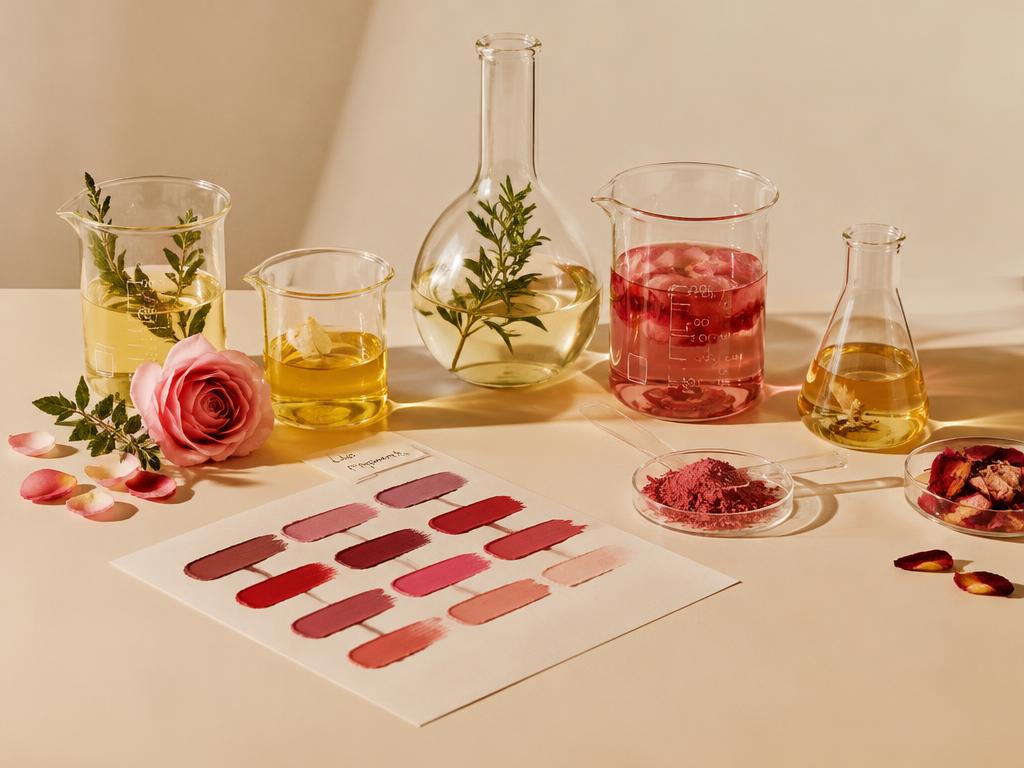
In writing, on every page
Editorially independent. Coverage is not for sale.
- 50
- Long-form reports
- 6
- Research desks
- 16
- Institutions cited
- 0
- Paid placements, ever
“A press release is a claim. The job is to work out whether it survives contact with the evidence — and to show our working when it doesn’t.”
Standards
What we do, and what we don’t
These are not aspirations. They are the working rules every report on this site is checked against before it is published.
We do
- Name the primary source in every report, and link to it.
- Mark manufacturer figures as manufacturer figures.
- Publish the critical perspective, even when it undercuts a good story.
- Judge a technology by its mechanism and evidence, not by launch budget.
- Correct errors in the article itself and tell you what changed.
We don’t
- Sell coverage: no paid placements, sponsored reviews or affiliate commissions.
- Run brand copy — press releases are raw material, never the copy itself.
- Let a brand preview, approve or veto a draft before publication.
- Present a brand-funded study as independent confirmation.
- Publish a claim we cannot trace back to a named source.
Process
How a report gets made
Five steps, the same for every desk. The template is deliberately rigid so that the writing can be the flexible part.
- 01
Find the primary source
Regulator filings, standards bodies, peer-reviewed papers, or the trade press that broke the story. Whatever we rely on is listed at the foot of the report, primary source first.
- 02
Read past the release
We separate what a company says from what it actually measured — baseline, panel size, comparator, duration. When the study design is not stated, we say that instead of guessing.
- 03
Grade the evidence
Three tiers applied consistently across every desk, so a claim in the texture report is held to the same standard as one in sustainability.
- 04
Argue the other side
Each analysis carries a critical perspective: limitations, risks and open questions. It is a required section of the template, not something we add when we remember.
- 05
Fix it in public
Confirmed errors are corrected in the article with a note explaining what changed. We do not quietly patch a sentence and pretend the first version never existed.
Evidence
Three tiers, used consistently
Most beauty coverage collapses these into one voice. Keeping them apart is most of what we do — it is why every report separates evidence from marketing.
Tier 1
Repeatable measurement
Physical results any laboratory can reproduce: particle size distributions, colour difference under defined illuminants, wear tested under controlled conditions, hydration by corneometer.
The strongest tier. When a report leans on this, we say so plainly.
Tier 2
Sponsored study
Consumer panels and clinical work paid for by the brand behind the product. Frequently competently run — but panel size, duration and comparator decide how much weight it can carry.
Usable, clearly labelled, never treated as independent confirmation.
Tier 3
Marketing language
Phrases with no defined testing standard behind them: “clinically proven”, “repairs overnight”, “clean”. Nothing about those words is checkable as written.
We quote them as claims. We never report them as findings.
Every report ends with its sources: the primary report first, then the regulators, standards bodies and literature behind it.
The desks
Our research desks
Lip Health & Wellness
Where dermatology meets the bullet
12 reports
Anchor source
American Academy of Dermatology — Tips for healing dry, chapped lipsBrowse the deskFormulation Science
The chemistry behind the color
11 reports
Anchor source
in-cosmetics Global — Ingredient innovation coverageBrowse the deskTexture & Finish
The new language of matte, satin and shine
9 reports
Anchor source
Circana — Beauty industry insightsBrowse the deskSustainable Luxury
Refill, reduce, rethink
8 reports
Anchor source
European Chemicals Agency — Microplastics restrictionBrowse the deskInclusive Color
Shade engineering for every undertone
5 reports
Anchor source
CIE — International Commission on Illumination (color science standards)Browse the deskSmart Tech & Design
Packaging, engineering and digital beauty
5 reports
Anchor source
European Commission — Ecodesign for Sustainable Products RegulationBrowse the deskCorrections
If we got it wrong, tell us.
Every report carries its sources for exactly this reason. If a figure is misquoted, a study is described inaccurately or a link points at the wrong document, send the article URL and the passage in question to [email protected]. We check each request against the original source we cited and update the article where the error is confirmed.
We do not delete reporting to avoid embarrassment, and we do not silently rewrite a paragraph. Material changes are explained in the article itself.
Reviewed against the cited source. No account, no form, no waiting queue.
Read next
Editorial Policy
How Frostbloom researches, sources and corrects its reporting.
OpenDisclaimer
Editorial and medical disclaimer for Frostbloom content.
OpenPrivacy Policy
How Frostbloom collects, uses and protects personal information, written against the EU GDPR, Brazil's LGPD and the California CCPA.
Open