Key takeaways
- The luxury lip cosmetic market has expanded into physiological sensory experiences with the introduction of cryo-sculpting lipstick technology.
- From a chemical perspective, thermal-response cooling complexes operate by gradually releasing active cooling agents when activated by skin temperature and movement.
- The aesthetic result of cryo-sculpting lipsticks is a crisp, smooth lip line and an enhanced natural contour that holds pigment with striking precision.
The briefing
The luxury lip cosmetic market has expanded into physiological sensory experiences with the introduction of cryo-sculpting lipstick technology. Drawing inspiration from professional dermatological cryotherapy and facial sculpting treatments, these advanced formulations utilize thermal-response cooling complexes to instantly firm, de-puff, and define lip contours upon contact. Rather than using harsh, stinging additives that cause inflammation, cryo-sculpting lipsticks employ gentle, long-acting menthol esters combined with soothing botanical extracts that trigger natural cold-sensing receptors (TRPM8) in the mucosal tissue, creating a refreshing cooling sensation that lasts for hours.
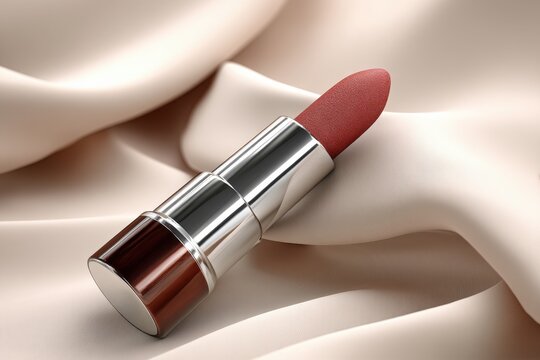
From a chemical perspective, thermal-response cooling complexes operate by gradually releasing active cooling agents when activated by skin temperature and movement. This controlled release mechanism delivers a continuous micro-cooling effect that increases localized blood circulation without triggering redness or irritation. Concurrently, high-molecular-weight hyaluronic acid spheres absorb surface moisture, swelling to instantly smooth out vertical lip lines and create a taut, sculpted surface. The physical structure of the bullet itself often incorporates thermal-conductive metal tips or chilled ceramic cores that enhance the refreshing tactile sensation during initial application.
The aesthetic result of cryo-sculpting lipsticks is a crisp, smooth lip line and an enhanced natural contour that holds pigment with striking precision. This technology bridges the gap between immediate sensory gratification and structural lip refinement, appealing to consumers who seek visible sculpting benefits alongside high-fashion color payoff. As sensory cosmetics gain traction in prestige retail markets, cryo-sculpting formulas are defining a new standard for functional luxury.
Why this matters
This report, originally covered by Cosmetics & Toiletries Science Magazine, sits within our Lip Health & Wellness desk. "Cryo-Sculpting Lip Treatments: Thermal-Response Cooling Actives in Prestige Bullet Cosmetics" is significant because it reflects a wider direction in prestige cosmetics in 2026: products are expected to deliver measurable performance, credible sourcing and comfort at the same time. Below, we place the development in market context, explain the mechanism, review the strength of the evidence and offer an objective view of its limitations.
Market context in 2026
The most consequential shift in prestige lip color over the last three years has not been a shade or a finish, but a change in the job description of the product itself. Consumers now expect a lipstick to behave like a treatment, and brands have responded by importing actives that were once the domain of serums and barrier creams. Industry surveys from McKinsey and Circana consistently show that "skin-health" claims are among the fastest-growing purchase drivers in color cosmetics, and lip products are the most natural carrier because they are reapplied several times a day.
This matters because lips are anatomically unusual. The vermilion has a very thin stratum corneum, no sebaceous glands in most of its surface and a reduced capacity to retain water, which is why it dehydrates faster than facial skin. Any product sitting on it for eight to twelve hours a day has a disproportionate influence on how that tissue feels and looks.
How the technology works
Treatment-oriented lip color typically combines three layers of function. First, an occlusive or semi-occlusive lipid phase, built from butters, squalane, ceramide mimics or plant waxes, slows transepidermal water loss. Second, humectants such as hyaluronic acid, glycerin or polyglutamic acid pull water toward the surface. Third, a small dose of signalling or soothing actives, including peptides, niacinamide, panthenol, fermented extracts or botanical antioxidants, is intended to support the barrier over time.
The engineering challenge is that most of these actives are water-loving while a classic lipstick is anhydrous. Formulators work around this with encapsulation, liposomal carriers, powdered humectants and emulsified bases, each of which has trade-offs in stability, payoff and shelf life.
What the evidence says
The strongest evidence still sits with the basics. Occlusion and humectancy have well-documented, measurable effects on lip hydration in corneometer studies published in dermatology literature. Evidence for peptides, probiotics and fermented complexes in a lipstick matrix is more limited: much of it comes from brand-sponsored studies with small panels, short durations and self-assessment questionnaires rather than independent, controlled trials.
That does not make the claims false, but it does mean readers should treat headline percentages carefully. A "38% increase in hydration after two weeks" is meaningful only when you know the baseline, the control product and the number of participants.
A critical perspective
There is a risk of what dermatologists sometimes call ingredient theatre: actives included at concentrations too low to matter so they can appear on the front of the carton. Fragrance and flavor, still common in lip products, remain among the most frequent causes of allergic contact cheilitis. A product can carry a peptide and still irritate a sensitive mouth if it also carries a strong essential-oil blend.
The objective view is that skincare-infused lipsticks are a real improvement over the drying long-wear formulas of the 2010s, but the biggest gains come from a well-built lipid base rather than from the most marketable active in the formula.
Practical guidance for buyers
- Look for a short, transparent ingredient list where barrier lipids appear early.
- Choose fragrance-free or low-fragrance versions if you experience dryness, peeling or burning.
- Ask for the study design behind any clinical percentage: panel size, duration and comparator.
- Pair daytime color with an SPF lip product when outdoors; most lipsticks carry no tested sun protection.
Outlook: 2026 and beyond
Looking ahead to 2027, expect the line between lip care and lip color to blur further. Dermatology-led brands are moving into tinted formats, while color houses recruit dermatologists and clinical testing labs to substantiate claims. Regulation is also catching up: under the U.S. MoCRA framework, companies must now hold adequate safety substantiation for their products, which raises the bar for vague treatment language.
The most likely winners are formulas that pair proven barrier science with transparent testing. Readers should expect more fragrance-free options, more published panel data and a gradual shift from headline actives toward measurable comfort and hydration outcomes.
Frequently asked questions
Can a lipstick really repair lips?
It can support the lip barrier by reducing water loss and adding humectants. Claims of collagen stimulation from a lipstick should be read as preliminary unless backed by independent studies.
Are treatment lipsticks suitable for sensitive lips?
Often yes, but check for fragrance, flavor and menthol-type cooling agents, which are common irritants.
Methodology
How we evaluated this report: Frostbloom reviewed the primary publication listed below and compared its claims with publicly available regulatory guidance, standards-body material and peer-reviewed literature where it exists. We separate three levels of evidence throughout: physical measurements that can be repeated in any lab, brand-sponsored consumer or clinical studies, and marketing language that has no defined testing standard.
Readers should treat percentages and clinical figures as manufacturer or publication claims unless an independent study is cited. Where evidence is preliminary, we say so. Our goal is to help you understand what a technology does, how strong the evidence is today and what to look for before you buy.
Sources & references
- Primary report: Cosmetics & Toiletries Science Magazine — original article
- American Academy of Dermatology — Tips for healing dry, chapped lips
- PubMed — Research on lip barrier function and cheilitis
- U.S. FDA — Modernization of Cosmetics Regulation Act (MoCRA)
- European Commission — CosIng cosmetic ingredient database
- McKinsey & Company — The State of Beauty
Frostbloom summarizes and analyzes publicly reported industry developments. Product claims cited are those of manufacturers and publications and have not been independently verified unless stated. This article is not medical advice. See our editorial policy.