Key takeaways
- For decades, the luxury cosmetics market struggled to produce true 'nude' and neutral lipstick shades that looked flattering and vibrant on deep, melanin-rich skin tones.
- Rather than relying on white titanium dioxide to adjust shade depth, melanin-tuned formulation science utilizes high-translucency iron oxides, warm terracotta bases, deep violet undertones, and rich mahogany pigments.
- Furthermore, these melanin-tuned formulas are enriched with high-potency conditioning lipids—such as shea butter unsaponifiables, passionfruit seed oil, and vitamin E—which address hyperpigmentation and dryness often experienced on deep skin tones.
The briefing
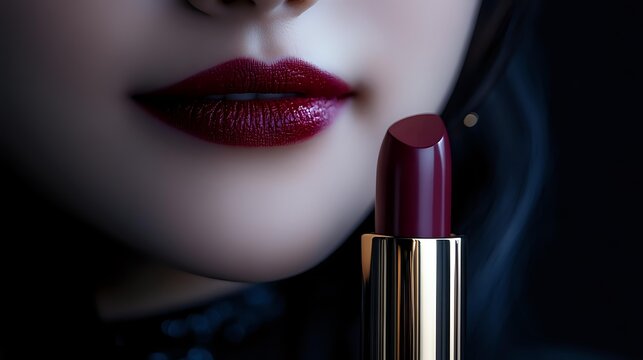
For decades, the luxury cosmetics market struggled to produce true 'nude' and neutral lipstick shades that looked flattering and vibrant on deep, melanin-rich skin tones. Standard neutral formulations were typically developed by diluting red and brown pigments with titanium dioxide (white pigment), which often resulted in a grey, chalky, or washed-out cast when applied over naturally darker lip mucosa. Modern color cosmetics has resolved this issue through spectral color calibration and melanin-tuned neutral pigmentation.
Rather than relying on white titanium dioxide to adjust shade depth, melanin-tuned formulation science utilizes high-translucency iron oxides, warm terracotta bases, deep violet undertones, and rich mahogany pigments. By measuring the light absorption and reflection spectra of melanin-rich lip tissue, cosmetic chemists calibrate pigment opacity levels so the lipstick enhances natural lip undertones rather than masking them under an opaque layer. This prevents chalkiness and creates a harmonious, multidimensional neutral finish.
Furthermore, these melanin-tuned formulas are enriched with high-potency conditioning lipids—such as shea butter unsaponifiables, passionfruit seed oil, and vitamin E—which address hyperpigmentation and dryness often experienced on deep skin tones. By combining scientific undertone precision with rich, skin-nourishing ingredients, melanin-tuned neutral collections are establishing a new baseline for true inclusivity in prestige beauty.
Why this matters
This report, originally covered by Beauty Inc. Inclusive Formulation Review, sits within our Inclusive Color desk. "Melanin-Tuned Neutral Pigmentation: Spectral Color Calibration for Darker Skin Tones" is significant because it reflects a wider direction in prestige cosmetics in 2026: products are expected to deliver measurable performance, credible sourcing and comfort at the same time. Below, we place the development in market context, explain the mechanism, review the strength of the evidence and offer an objective view of its limitations.
Market context in 2026
Shade inclusivity is no longer only a foundation story. Lip color, especially nudes and neutrals, has long been calibrated around a narrow band of skin tones, leaving many consumers with nudes that look ashy, grey or chalky. Since the industry-wide reckoning on shade ranges in the late 2010s, brands have expanded ranges and, more recently, invested in the science of undertone and pigment calibration.
Inclusivity also extends beyond color to life stage, with products for mature lips and menopause-related dryness, and to personalization tools that create shades on demand.
How the technology works
A flattering nude depends on the relationship between the product's undertone and the natural pigmentation of the lips, which varies widely and is often darker or more two-toned in deeper complexions. Formulators adjust the balance of red, yellow and black iron oxides and organic pigments, and reduce the white titanium dioxide that causes ashiness on deeper skin.
Spectrophotometry and colorimetric databases allow shades to be mapped and tested across measured skin tones. Personalization devices and in-store tools use similar measurements to mix bespoke shades, while pH-reactive dyes shift color based on each wearer's lips.
What the evidence says
Color measurement is objective and well established, and the problem of titanium dioxide ashiness on deeper skin is widely recognized by formulators and makeup artists. Evidence that personalization devices improve satisfaction comes mostly from brand data; independent studies are limited.
Retail data and consumer research have shown that brands with genuinely broad ranges earn loyalty from historically underserved shoppers, an important commercial as well as ethical driver.
A critical perspective
Some inclusive launches remain tokenistic, with extended shades produced in limited quantities or sold only online. Testing on diverse panels is essential but not always disclosed. Personalization can also become a premium-priced service rather than broad access.
Objectively, progress is real and measurable, but consumers should look for evidence of diverse testing and consistent in-store availability.
Practical guidance for buyers
- Swatch nudes on the lips or inner lip area rather than the back of the hand.
- Look for reviews and photos from people with a similar complexion and lip pigmentation.
- A lip liner close to your natural lip tone can make almost any nude more harmonious.
Outlook: 2026 and beyond
Inclusive color is evolving from range size to range quality. The next phase is about how well each shade performs across complexions and lip pigmentations, supported by diverse testing panels and better color measurement tools in labs and retail.
Personalization devices and AI-assisted shade matching will become more accessible, but in-person testing and diverse reviewer communities will remain essential. Brands that disclose testing methods and keep extended shades in physical stores will set the standard.
Frequently asked questions
Why do nude lipsticks look grey on me?
Often the shade contains too much white pigment for your complexion. Look for warmer, deeper nudes with less titanium dioxide.
Do pH lipsticks suit everyone?
They produce a personal tint, but the range of colors is limited, typically pink to berry.
Methodology
How we evaluated this report: Frostbloom reviewed the primary publication listed below and compared its claims with publicly available regulatory guidance, standards-body material and peer-reviewed literature where it exists. We separate three levels of evidence throughout: physical measurements that can be repeated in any lab, brand-sponsored consumer or clinical studies, and marketing language that has no defined testing standard.
Readers should treat percentages and clinical figures as manufacturer or publication claims unless an independent study is cited. Where evidence is preliminary, we say so. Our goal is to help you understand what a technology does, how strong the evidence is today and what to look for before you buy.
Sources & references
- Primary report: Beauty Inc. Inclusive Formulation Review — original article
- CIE — International Commission on Illumination (color science standards)
- PubMed — Research on skin color measurement and cosmetics
- U.S. FDA — Modernization of Cosmetics Regulation Act (MoCRA)
- European Commission — CosIng cosmetic ingredient database
- McKinsey & Company — The State of Beauty
Frostbloom summarizes and analyzes publicly reported industry developments. Product claims cited are those of manufacturers and publications and have not been independently verified unless stated. This article is not medical advice. See our editorial policy.