Key takeaways
- In the luxury sector, the emotional value of a high-end lipstick is established before the bullet even touches the lips; it begins the moment the consumer holds the product in their hand.
- Key to modern haptic engineering is the precise calibration of weight distribution and magnetic closure dynamics.
- Surface textures are equally curated, featuring diamond-knurled metals, soft-touch matte lacquers, and hand-applied enamel inlays that offer tactile delight during use.
The briefing
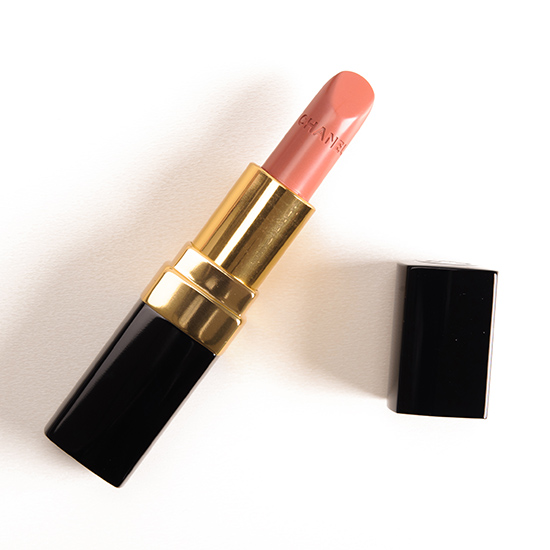
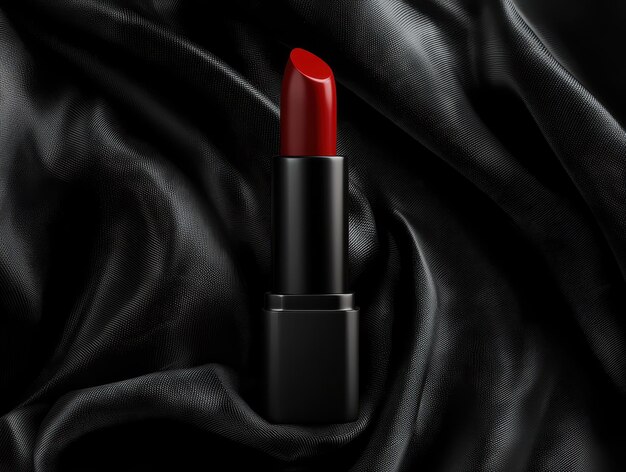
In the luxury sector, the emotional value of a high-end lipstick is established before the bullet even touches the lips; it begins the moment the consumer holds the product in their hand. Haptic experience engineering—the strategic design of physical weight, surface texture, temperature, and sound—has become a vital discipline for industrial designers crafting packaging for haute couture cosmetic houses. Every touchpoint of a designer lipstick casing is meticulously engineered to evoke feelings of prestige, craftsmanship, and tactile satisfaction.
Key to modern haptic engineering is the precise calibration of weight distribution and magnetic closure dynamics. Designers incorporate dense, cold-touch zinc alloys, brass inserts, and hand-finished ceramic sleeves, bringing the total weight of the casing to an optimal 60 to 80 grams—a weight threshold scientifically proven to register as 'high quality' in consumer psychological testing. Furthermore, internal neodymium magnet pairs are tuned to produce a soft, resonant 'click' sound at a specific low frequency (around 200 Hz) when closed, providing a reassuring sensory confirmation of quality.
Surface textures are equally curated, featuring diamond-knurled metals, soft-touch matte lacquers, and hand-applied enamel inlays that offer tactile delight during use. This focus on sensory industrial design transforms an everyday functional object into a tactile design piece that users take pride in pulling out of their handbags. By uniting sensory psychology with precision manufacturing, haptic experience engineering defines the tactile language of modern luxury.
Why this matters
This report, originally covered by Luxury Packaging & Digital Innovation Quarterly, sits within our Smart Tech & Design desk. "Haptic Experience Engineering: Tactile Magnetics and Weight Distribution in Designer Casing" is significant because it reflects a wider direction in prestige cosmetics in 2026: products are expected to deliver measurable performance, credible sourcing and comfort at the same time. Below, we place the development in market context, explain the mechanism, review the strength of the evidence and offer an objective view of its limitations.
Market context in 2026
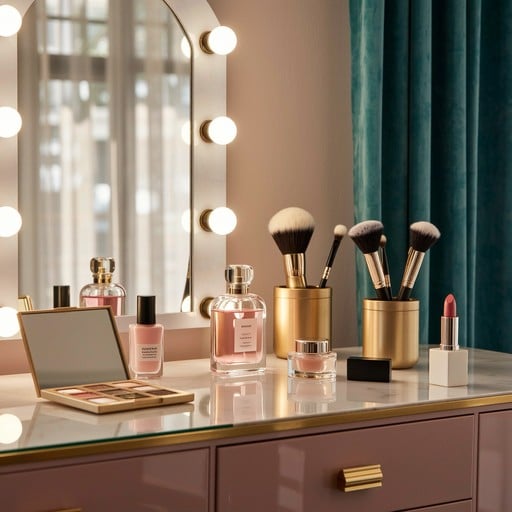
Lipstick has always been a design object, and luxury houses increasingly treat the case as a collectible with jewellery-level finishing. In parallel, technology is entering the packaging itself: NFC and QR-enabled authentication, digital product passports, 3D-printed components and magnetic closures. The EU's Ecodesign for Sustainable Products Regulation is expected to make digital product passports more common across consumer goods, and luxury brands are early adopters because counterfeiting is a major cost.
Beauty tech also includes virtual try-on and AI shade matching, which have become standard in e-commerce and influence how lip products are discovered and bought.
How the technology works
NFC tags embedded in caps or bases can link to a secure record confirming authenticity, batch and sometimes refill instructions. Magnetic closures and weighted cases are engineered for a satisfying, precise feel, the haptic signature that luxury brands now design as deliberately as fragrance. 3D printing allows rapid prototyping of bullet shapes and, in some pilots, customized applicators.
Airtight closures matter functionally too: they slow evaporation of volatile components in liquid formulas and protect against oxidation, extending usable life.
What the evidence says
Anti-counterfeiting value is well documented by organizations such as the OECD and EUIPO, which estimate counterfeit trade in the hundreds of billions of dollars, with cosmetics among frequently copied goods. Consumer benefit from haptic design is harder to measure but shows up in brand research on perceived quality.
Virtual try-on accuracy has improved substantially, though lighting and camera differences mean digital color is still an approximation.
A critical perspective
Embedded electronics complicate recycling, and data collected via connected packaging raises privacy questions. Heavy metal cases and magnets add weight and resource use. Not every tech feature solves a real problem; some are marketing differentiators.
The balanced view: authentication and refill-friendly engineering add genuine value, while purely gimmick features should be judged against their environmental cost.
Practical guidance for buyers
- Buy from authorised retailers and use authentication features where offered.
- Check what data a connected package collects before scanning or registering.
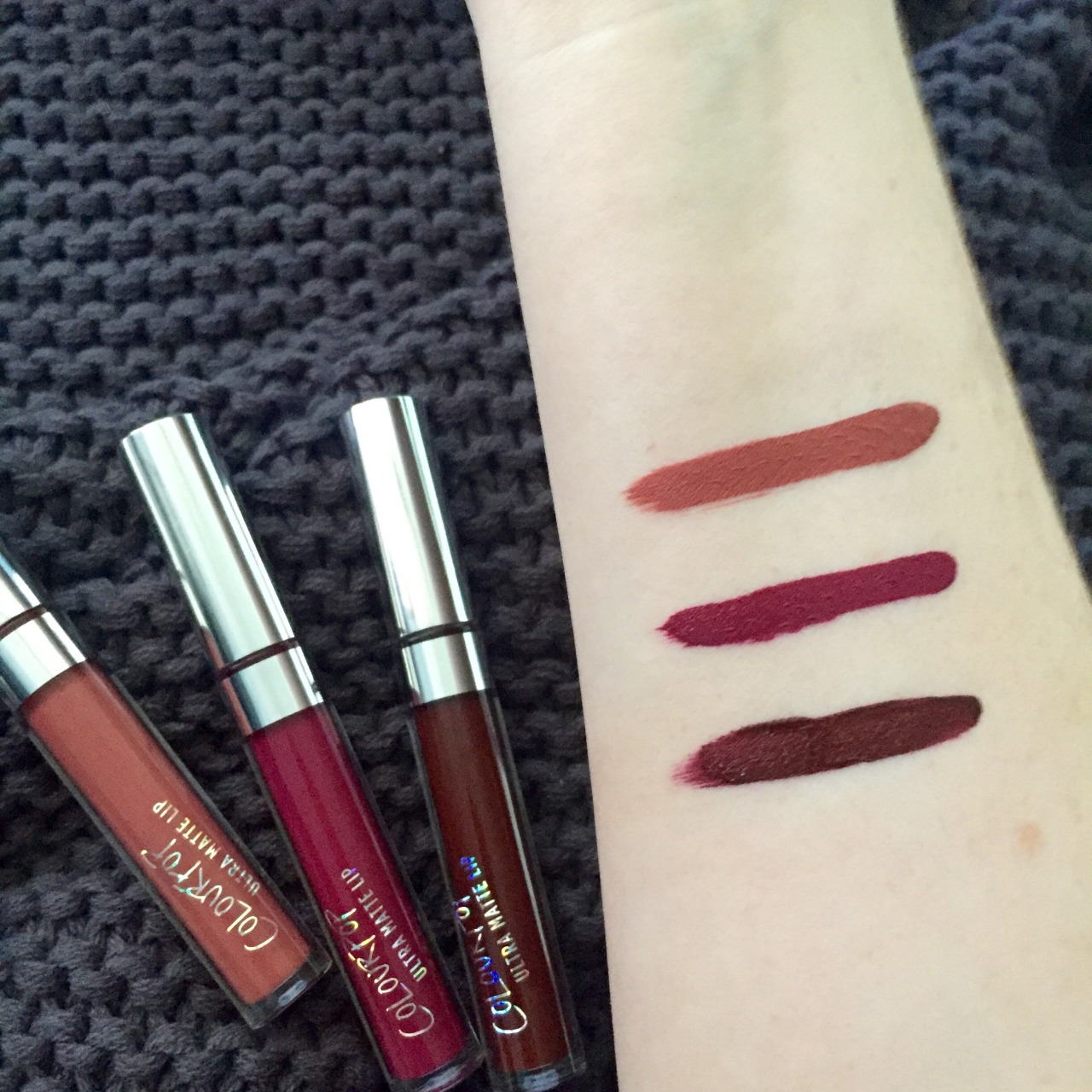
- Use virtual try-on to narrow choices, then confirm shades in person.
Outlook: 2026 and beyond
Connected packaging and digital product passports are likely to spread first through luxury and premium tiers, where counterfeiting losses justify the cost. EU ecodesign rules may eventually make some product information digital by default across categories.
The key question for the next few years is balance: technology that authenticates, informs and supports refill or recycling adds value, while features that add electronics and weight without solving a real problem will face growing environmental scrutiny.
Frequently asked questions
What is a digital product passport?
A digital record linked to a product that can carry origin, materials and repair or recycling information, encouraged by upcoming EU rules.
Are counterfeit lipsticks dangerous?
They can be. Authorities have found contaminants including heavy metals and bacteria in seized fake cosmetics.
Methodology
How we evaluated this report: Frostbloom reviewed the primary publication listed below and compared its claims with publicly available regulatory guidance, standards-body material and peer-reviewed literature where it exists. We separate three levels of evidence throughout: physical measurements that can be repeated in any lab, brand-sponsored consumer or clinical studies, and marketing language that has no defined testing standard.
Readers should treat percentages and clinical figures as manufacturer or publication claims unless an independent study is cited. Where evidence is preliminary, we say so. Our goal is to help you understand what a technology does, how strong the evidence is today and what to look for before you buy.
Sources & references
- Primary report: Luxury Packaging & Digital Innovation Quarterly — original article
- European Commission — Ecodesign for Sustainable Products Regulation
- OECD/EUIPO — Global trade in fakes
- U.S. FDA — Modernization of Cosmetics Regulation Act (MoCRA)
- European Commission — CosIng cosmetic ingredient database
- McKinsey & Company — The State of Beauty
Frostbloom summarizes and analyzes publicly reported industry developments. Product claims cited are those of manufacturers and publications and have not been independently verified unless stated. This article is not medical advice. See our editorial policy.