Key takeaways
- The waterless beauty movement, which originated in skincare serums and solid shampoos, has officially expanded into color cosmetics, giving rise to advanced anhydrous lipstick formulations.
- Anhydrous lipstick formulations are constructed entirely from concentrated plant butters, nourishing waxes, lipid-soluble vitamins, and pure mineral pigments.
- The elimination of water also extends product shelf life naturally without requiring aggressive synthetic preservatives, making anhydrous formulations exceptionally well-suited for sensitive skin types.
The briefing
The waterless beauty movement, which originated in skincare serums and solid shampoos, has officially expanded into color cosmetics, giving rise to advanced anhydrous lipstick formulations. Traditional liquid lipsticks and glosses frequently list water as a primary ingredient base, requiring synthetic chemical preservatives, emulsifiers, and stabilizing agents to prevent microbial growth. By engineering completely water-free lipstick systems, cosmetic scientists have unlocked unprecedented levels of active ingredient concentration, superior thermal stability, and intensely rich color payoffs.
Anhydrous lipstick formulations are constructed entirely from concentrated plant butters, nourishing waxes, lipid-soluble vitamins, and pure mineral pigments. Without water diluting the active components, every single ingredient in an anhydrous lipstick serves a functional purpose—either conditioning the lip barrier, enhancing pigment dispersion, or locking in moisture. This high concentration of active lipids creates a rich, enveloping texture that melts luxuriously upon contact with body heat, delivering immediate comfort and long-lasting protection against harsh environmental drying factors.
The elimination of water also extends product shelf life naturally without requiring aggressive synthetic preservatives, making anhydrous formulations exceptionally well-suited for sensitive skin types. Furthermore, waterless manufacturing processes significantly reduce water consumption and carbon emissions during factory production, supporting corporate sustainability targets. As consumer demand for potent, multi-benefit cosmetics grows, anhydrous lipstick technology represents a major structural advancement in cosmetic chemistry.
Why this matters
This report, originally covered by Global Cosmetic Industry Magazine, sits within our Sustainable Luxury desk. "Waterless Cosmetics in Color Makeup: Anhydrous Lipstick Technology and Concentrated Actives" is significant because it reflects a wider direction in prestige cosmetics in 2026: products are expected to deliver measurable performance, credible sourcing and comfort at the same time. Below, we place the development in market context, explain the mechanism, review the strength of the evidence and offer an objective view of its limitations.
Market context in 2026
Sustainability in prestige lip color has moved from niche to expectation. Major houses now offer refillable cases, and regulation is pushing the rest of the market: the EU restriction on intentionally added microplastics, adopted in 2023, phases out many synthetic polymer microparticles in cosmetics on staged timelines, and packaging rules in the EU are tightening recyclability and reuse requirements over the coming years.
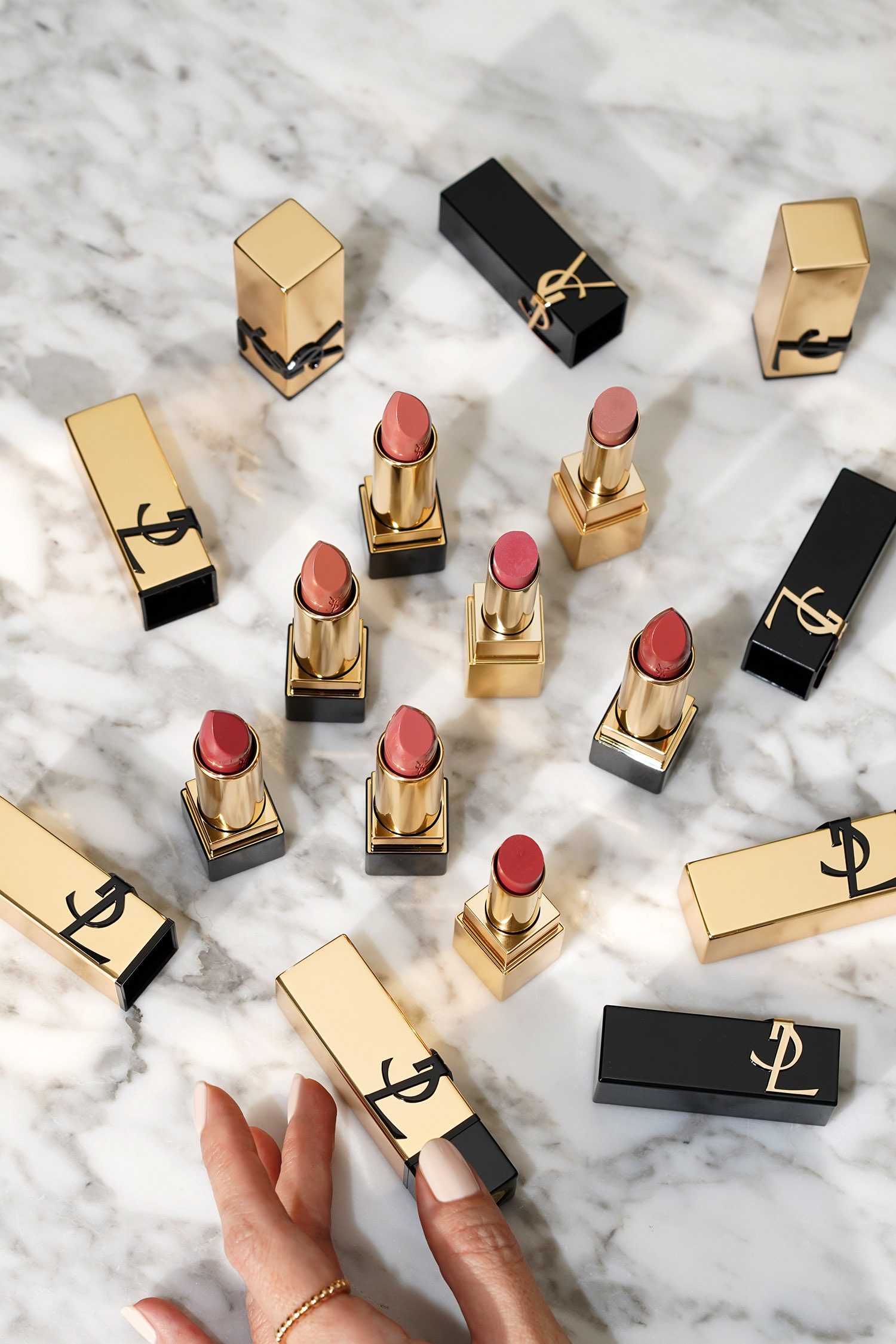
Lipstick is a symbolic category for this shift because the product is small but the packaging is often heavy, multi-material and designed to be kept on display. That makes it an ideal candidate for a keep-the-case, replace-the-bullet model.
How the technology works
Refill systems separate a durable outer case, often metal or high-quality plastic, from a lightweight inner cartridge. Ingredient-side efforts include replacing synthetic microbeads and film formers with minerals or biodegradable alternatives, using upcycled by-products from food and agriculture, switching to responsibly sourced or synthetic mica, and sourcing squalane from fermentation rather than shark liver or intensively farmed crops.
Waterless or anhydrous formulas, which a classic bullet already is, reduce preservative needs and shipping weight, giving lipstick a structural advantage over many other cosmetic formats.
What the evidence says
Life-cycle assessments generally find that refills reduce impact only if the consumer actually refills several times; the benefit depends on behaviour. The Ellen MacArthur Foundation and other circular-economy bodies emphasize reuse at scale over one-off recyclable claims.
On mica, the Responsible Mica Initiative has documented labor and child-labor risks in parts of the natural mica supply chain, which is why synthetic fluorphlogopite has become popular, though it carries its own manufacturing footprint.
A critical perspective
Greenwashing remains a real concern. Regulators in the EU and UK have stepped up scrutiny of vague claims like "eco" or "clean". A heavy refillable case can have a higher footprint than a simple single-use one if it is never refilled. "Clean beauty" has no legal definition.
A balanced view: the direction of travel is positive and partly locked in by regulation, but the value of any individual product depends on verified data and how it is used.
Practical guidance for buyers
- Buy into a refill system only if you plan to stay with the shade line.
- Look for specific, verifiable claims such as percentage of recycled content or third-party certification.
- Check whether refills are actually available in your market before buying the case.
Outlook: 2026 and beyond
Regulation will be the strongest driver of sustainable lip color through 2030. The EU microplastics restriction transition periods, the Packaging and Packaging Waste Regulation and green-claims enforcement will push brands toward measurable, verifiable improvements rather than broad promises.
We expect refill programmes to consolidate around a smaller number of well-supported systems, more brands to publish life-cycle data and synthetic or audited natural mica to become the norm in shimmer shades. Consumers will gain the most from brands that make refills easy to buy and keep stocked.
Frequently asked questions
Is synthetic mica better than natural mica?
It avoids mining-related labor risks and is very pure, but it is energy-intensive to produce. Responsibly audited natural mica is also an option.
Are microplastics banned in lipstick?
The EU restriction covers intentionally added synthetic polymer microparticles with transition periods; rinse-off products are affected first and leave-on makeup later.
Methodology
How we evaluated this report: Frostbloom reviewed the primary publication listed below and compared its claims with publicly available regulatory guidance, standards-body material and peer-reviewed literature where it exists. We separate three levels of evidence throughout: physical measurements that can be repeated in any lab, brand-sponsored consumer or clinical studies, and marketing language that has no defined testing standard.
Readers should treat percentages and clinical figures as manufacturer or publication claims unless an independent study is cited. Where evidence is preliminary, we say so. Our goal is to help you understand what a technology does, how strong the evidence is today and what to look for before you buy.
Sources & references
- Primary report: Global Cosmetic Industry Magazine — original article
- European Chemicals Agency — Microplastics restriction
- Ellen MacArthur Foundation — Circular economy and packaging
- Responsible Mica Initiative
- U.S. FDA — Modernization of Cosmetics Regulation Act (MoCRA)
- European Commission — CosIng cosmetic ingredient database
- McKinsey & Company — The State of Beauty
Frostbloom summarizes and analyzes publicly reported industry developments. Product claims cited are those of manufacturers and publications and have not been independently verified unless stated. This article is not medical advice. See our editorial policy.