Key takeaways
- The acceleration of fast-paced modern lifestyles has fueled an explosive market demand for multi-functional hybrid cosmetics that simplify daily beauty rituals without sacrificing professional aesthetic results.
- The formulation science behind high-end lip-and-cheek products requires striking a delicate textural balance.
- From an economic and environmental standpoint, multi-functional cosmetics reduce packaging waste, lower consumer spending, and minimize makeup bag clutter.
The briefing
The acceleration of fast-paced modern lifestyles has fueled an explosive market demand for multi-functional hybrid cosmetics that simplify daily beauty rituals without sacrificing professional aesthetic results. Leading this trend are advanced lip-and-cheek tints engineered to harmonize color palettes across facial features while delivering active dermatological treatments. These versatile hybrid formulas bridge the gap between makeup and skincare, offering a cohesive, monochromatic look that aligns with minimalist beauty philosophies.
The formulation science behind high-end lip-and-cheek products requires striking a delicate textural balance. Lip formulas require rich emollients and occlusive agents to prevent moisture loss, whereas cheek products must remain lightweight, blendable, and non-comedogenic to avoid clogging facial pores. Cosmetic chemists solve this engineering hurdle by utilizing smart volatile-emollient bases that melt and blend seamlessly onto the cheeks into a natural satin flush, while building rich, buildable color saturation when layered directly onto the lips. Infused with soothing niacinamide, squalane, and antioxidant green tea extracts, these hybrid tints actively calm skin inflammation while imparting vibrant color.
From an economic and environmental standpoint, multi-functional cosmetics reduce packaging waste, lower consumer spending, and minimize makeup bag clutter. Brands leveraging hybrid technology can offer streamlined product portfolios that appeal strongly to minimalist consumers and frequent travelers. As formulation techniques continue to evolve, hybrid lip-and-cheek tints are solidifying their position as essential staples in modern luxury beauty collections.
Why this matters
This report, originally covered by Beauty Independent Market Analysis, sits within our Formulation Science desk. "Multi-Functional Hybrid Makeup: Lip-and-Cheek Tints with Dermatological Benefits" is significant because it reflects a wider direction in prestige cosmetics in 2026: products are expected to deliver measurable performance, credible sourcing and comfort at the same time. Below, we place the development in market context, explain the mechanism, review the strength of the evidence and offer an objective view of its limitations.
Market context in 2026
Behind every prestige launch is a quiet arms race in raw materials and processing. In 2025 and 2026 the conversation inside cosmetic laboratories has moved toward precision: tighter particle size distributions, purer pigment surface treatments, biotechnology-derived emollients and process innovations such as cold emulsification and ultrasonic dispersion. These changes rarely make headlines, but they determine whether a lipstick glides, how evenly it wears and whether the shade in the tube matches the shade on the mouth.
Ingredient suppliers presenting at events like in-cosmetics Global have increasingly emphasized biotech routes, fermentation, upcycled feedstocks and precision fermentation, partly for performance and partly to reduce dependence on volatile agricultural and petrochemical supply chains.
How the technology works
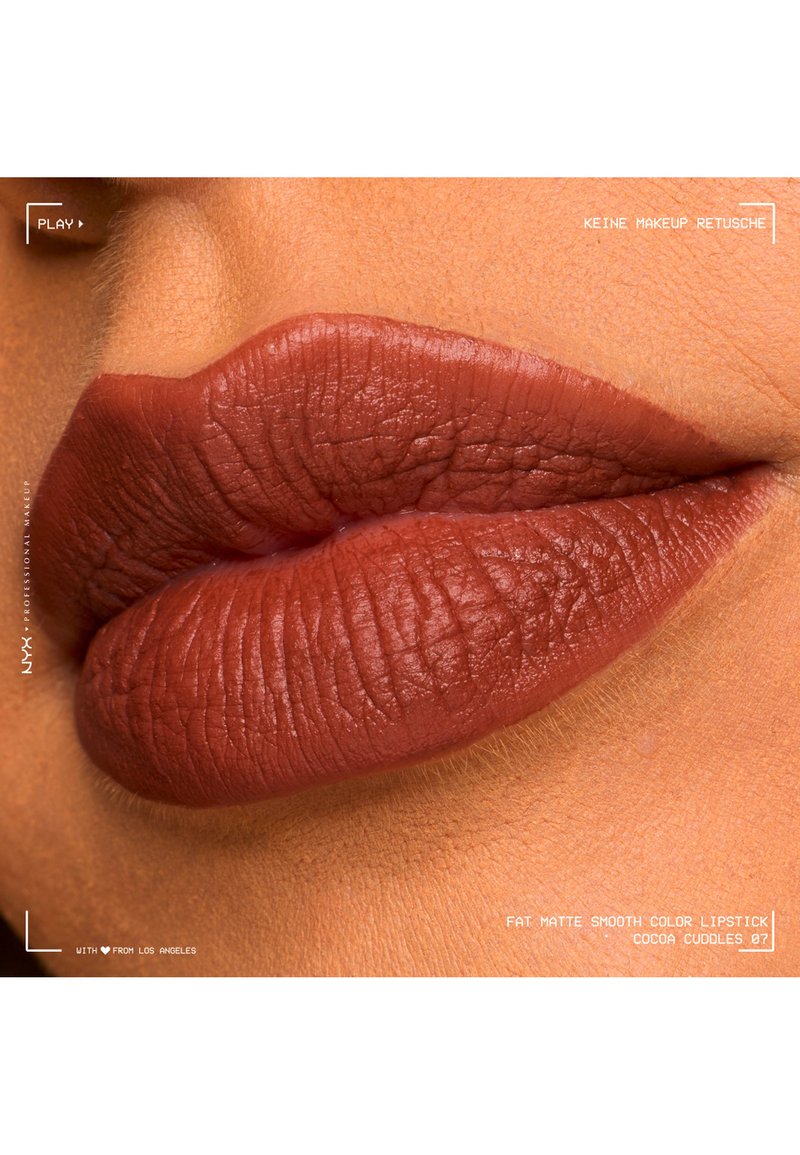
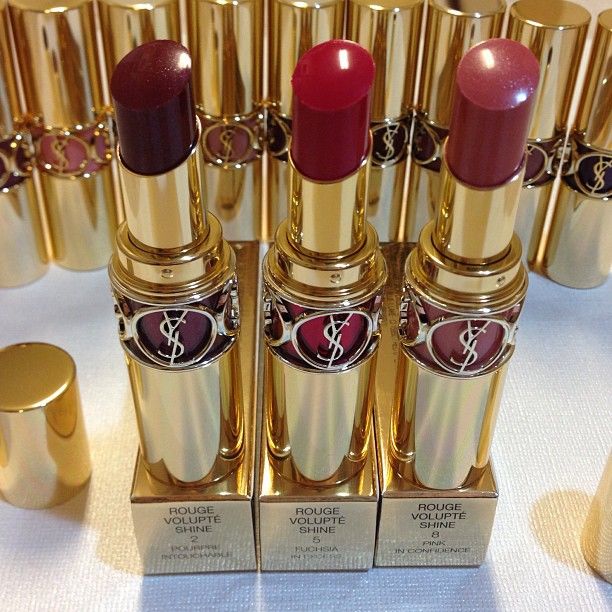
A lipstick bullet is essentially a structured oil: waxes create a crystalline network, oils and esters fill it, and pigments are dispersed throughout. The quality of that dispersion is decisive. Pigments milled on three-roll mills or bead mills to smaller, more uniform particles give stronger color from less material and a smoother feel. Surface treatments, such as coating pigments with amino acids, silicones alternatives or biominerals, help particles wet properly in oil and resist clumping.
Liquid formulas add volatile solvents and film formers, so the product applies fluid and then sets. Processing choices, including temperature, shear and the order in which phases are combined, can change final texture as much as the ingredient list does.
What the evidence says
Formulation advances are easier to verify than biological claims because they are physical: particle size, rheology, color difference (Delta E) and transfer resistance can all be measured instrumentally. Peer-reviewed cosmetic science journals and supplier technical dossiers document the relationship between milling, dispersion and color uniformity well.
Where caution is needed is in translation to consumer benefit. A finer pigment does not automatically mean a more comfortable lipstick if the wax and oil balance is wrong, and lab measurements of wear are typically taken under controlled conditions without eating or drinking.
A critical perspective
Novel processes often add cost and energy use, which sits awkwardly with sustainability messaging. Biotech ingredients can be excellent, but "bio-fermented" or "bio-identical" are not regulated descriptors and say little about purity or performance on their own.
A balanced reading is that the best formulation science today is incremental and genuine. It is producing more comfortable, more consistent products, even if the marketing language around it is sometimes inflated.
Practical guidance for buyers
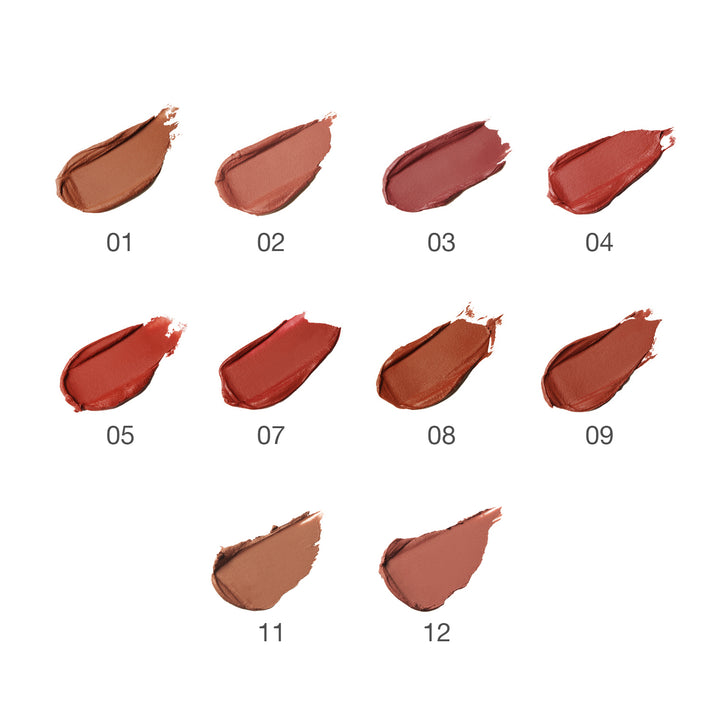
- Swatch on the lips, not just the hand, to judge glide and evenness.
- Judge color uniformity after an hour of wear, not immediately after application.
- Treat terms like "molecular" or "nano" as descriptions, not guarantees, and check EU and FDA ingredient listings if a material is unfamiliar.
Outlook: 2026 and beyond
Over the next eighteen months, formulation innovation will be shaped by three pressures: regulatory restrictions on certain polymers and microparticles, the cost and availability of natural raw materials, and consumer demand for comfort without compromise on wear. Biotechnology suppliers are scaling fermentation-derived emollients and colorants, and processing technologies once confined to pharmaceuticals are entering cosmetic manufacturing.
For consumers, the practical effect will be steadier quality across shade ranges and fewer trade-offs between payoff and comfort. For the industry, the challenge is proving that new processes deliver benefits large enough to justify their cost and energy footprint.
Frequently asked questions
Why do some lipsticks look streaky?
Usually poor pigment dispersion or a wax system that drags. Better milling and surface-treated pigments reduce this.
Are nanomaterials allowed in lipstick?
In the EU, nanomaterials must be notified and labelled "[nano]" in the ingredient list; rules differ by market.
Methodology
How we evaluated this report: Frostbloom reviewed the primary publication listed below and compared its claims with publicly available regulatory guidance, standards-body material and peer-reviewed literature where it exists. We separate three levels of evidence throughout: physical measurements that can be repeated in any lab, brand-sponsored consumer or clinical studies, and marketing language that has no defined testing standard.
Readers should treat percentages and clinical figures as manufacturer or publication claims unless an independent study is cited. Where evidence is preliminary, we say so. Our goal is to help you understand what a technology does, how strong the evidence is today and what to look for before you buy.
Sources & references
- Primary report: Beauty Independent Market Analysis — original article
- in-cosmetics Global — Ingredient innovation coverage
- Society of Cosmetic Chemists — Technical resources
- U.S. FDA — Modernization of Cosmetics Regulation Act (MoCRA)
- European Commission — CosIng cosmetic ingredient database
- McKinsey & Company — The State of Beauty
Frostbloom summarizes and analyzes publicly reported industry developments. Product claims cited are those of manufacturers and publications and have not been independently verified unless stated. This article is not medical advice. See our editorial policy.