Key takeaways
- High-shine luxury lip glosses and liquid lipsticks have historically relied on heavy petroleum-derived polybutenes or mineral oils to achieve a glass-like finish and cushiony texture.
- During fermentation, engineered yeast strains convert simple plant sugars into pure, ultra-stable squalene molecules with zero carbon footprint.
- In addition to its environmental and aesthetic benefits, bio-fermented squalane exhibits exceptional oxidation stability, preventing the formula from turning rancid or changing color over time without requiring heavy synthetic antioxidants or chemical preservatives.
The briefing
High-shine luxury lip glosses and liquid lipsticks have historically relied on heavy petroleum-derived polybutenes or mineral oils to achieve a glass-like finish and cushiony texture. However, as global luxury consumers demand environmental accountability and clean ingredient decks, cosmetic laboratories are adopting zero-carbon fermented squalene esters. Produced through advanced precision fermentation using upcycled sugarcane bagasse and specialized yeast cultures, bio-squalene supplies exceptional luminosity without relying on fossil fuels or shark-derived oils.
During fermentation, engineered yeast strains convert simple plant sugars into pure, ultra-stable squalene molecules with zero carbon footprint. Through gentle hydrogenation, this bio-squalene is converted into squalane esters characterized by high refractive indices and silky, non-sticky viscosities. When formulated into high-end lip glosses and lip oils, these bio-fermented esters create an ultra-smooth, light-reflecting film that coats the lips in a mirror-like shine while delivering deep, long-lasting hydration.
In addition to its environmental and aesthetic benefits, bio-fermented squalane exhibits exceptional oxidation stability, preventing the formula from turning rancid or changing color over time without requiring heavy synthetic antioxidants or chemical preservatives. Its bio-compatibility ensures instant absorption into damaged lip tissue, soothing chapped skin and restoring natural flexibility. Zero-carbon fermented squalene exemplifies how green biotechnology is propelling the next generation of sustainable luxury cosmetics.
Why this matters
This report, originally covered by BioTech Beauty & Sustainability Journal, sits within our Sustainable Luxury desk. "Zero-Carbon Fermented Squalene: Sustainable High-Gloss Esters for Clean Beauty" is significant because it reflects a wider direction in prestige cosmetics in 2026: products are expected to deliver measurable performance, credible sourcing and comfort at the same time. Below, we place the development in market context, explain the mechanism, review the strength of the evidence and offer an objective view of its limitations.
Market context in 2026
Sustainability in prestige lip color has moved from niche to expectation. Major houses now offer refillable cases, and regulation is pushing the rest of the market: the EU restriction on intentionally added microplastics, adopted in 2023, phases out many synthetic polymer microparticles in cosmetics on staged timelines, and packaging rules in the EU are tightening recyclability and reuse requirements over the coming years.
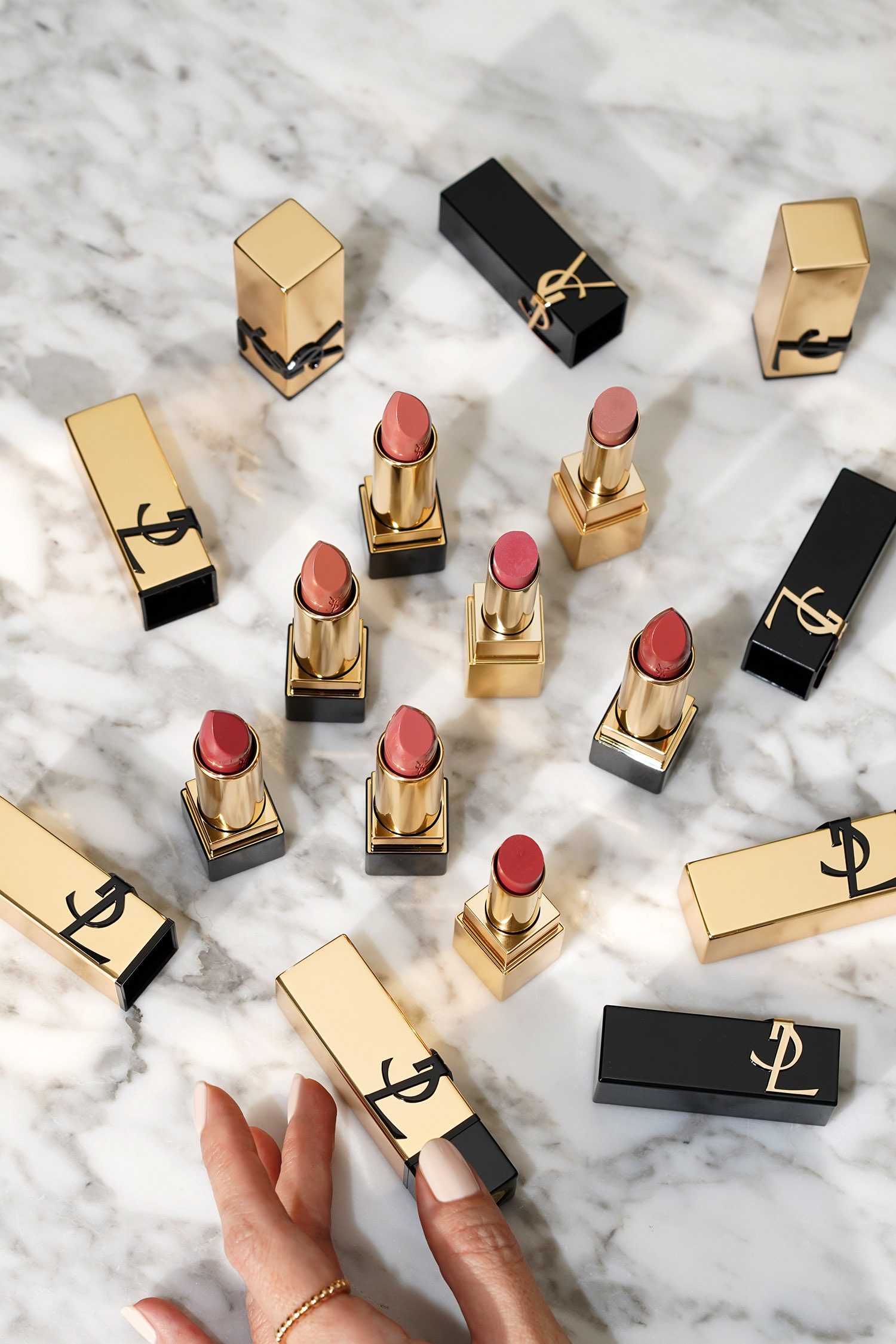
Lipstick is a symbolic category for this shift because the product is small but the packaging is often heavy, multi-material and designed to be kept on display. That makes it an ideal candidate for a keep-the-case, replace-the-bullet model.
How the technology works
Refill systems separate a durable outer case, often metal or high-quality plastic, from a lightweight inner cartridge. Ingredient-side efforts include replacing synthetic microbeads and film formers with minerals or biodegradable alternatives, using upcycled by-products from food and agriculture, switching to responsibly sourced or synthetic mica, and sourcing squalane from fermentation rather than shark liver or intensively farmed crops.
Waterless or anhydrous formulas, which a classic bullet already is, reduce preservative needs and shipping weight, giving lipstick a structural advantage over many other cosmetic formats.
What the evidence says
Life-cycle assessments generally find that refills reduce impact only if the consumer actually refills several times; the benefit depends on behaviour. The Ellen MacArthur Foundation and other circular-economy bodies emphasize reuse at scale over one-off recyclable claims.
On mica, the Responsible Mica Initiative has documented labor and child-labor risks in parts of the natural mica supply chain, which is why synthetic fluorphlogopite has become popular, though it carries its own manufacturing footprint.
A critical perspective
Greenwashing remains a real concern. Regulators in the EU and UK have stepped up scrutiny of vague claims like "eco" or "clean". A heavy refillable case can have a higher footprint than a simple single-use one if it is never refilled. "Clean beauty" has no legal definition.
A balanced view: the direction of travel is positive and partly locked in by regulation, but the value of any individual product depends on verified data and how it is used.
Practical guidance for buyers
- Buy into a refill system only if you plan to stay with the shade line.
- Look for specific, verifiable claims such as percentage of recycled content or third-party certification.
- Check whether refills are actually available in your market before buying the case.
Outlook: 2026 and beyond
Regulation will be the strongest driver of sustainable lip color through 2030. The EU microplastics restriction transition periods, the Packaging and Packaging Waste Regulation and green-claims enforcement will push brands toward measurable, verifiable improvements rather than broad promises.
We expect refill programmes to consolidate around a smaller number of well-supported systems, more brands to publish life-cycle data and synthetic or audited natural mica to become the norm in shimmer shades. Consumers will gain the most from brands that make refills easy to buy and keep stocked.
Frequently asked questions
Is synthetic mica better than natural mica?
It avoids mining-related labor risks and is very pure, but it is energy-intensive to produce. Responsibly audited natural mica is also an option.
Are microplastics banned in lipstick?
The EU restriction covers intentionally added synthetic polymer microparticles with transition periods; rinse-off products are affected first and leave-on makeup later.
Methodology
How we evaluated this report: Frostbloom reviewed the primary publication listed below and compared its claims with publicly available regulatory guidance, standards-body material and peer-reviewed literature where it exists. We separate three levels of evidence throughout: physical measurements that can be repeated in any lab, brand-sponsored consumer or clinical studies, and marketing language that has no defined testing standard.
Readers should treat percentages and clinical figures as manufacturer or publication claims unless an independent study is cited. Where evidence is preliminary, we say so. Our goal is to help you understand what a technology does, how strong the evidence is today and what to look for before you buy.
Sources & references
- Primary report: BioTech Beauty & Sustainability Journal — original article
- European Chemicals Agency — Microplastics restriction
- Ellen MacArthur Foundation — Circular economy and packaging
- Responsible Mica Initiative
- U.S. FDA — Modernization of Cosmetics Regulation Act (MoCRA)
- European Commission — CosIng cosmetic ingredient database
- McKinsey & Company — The State of Beauty
Frostbloom summarizes and analyzes publicly reported industry developments. Product claims cited are those of manufacturers and publications and have not been independently verified unless stated. This article is not medical advice. See our editorial policy.